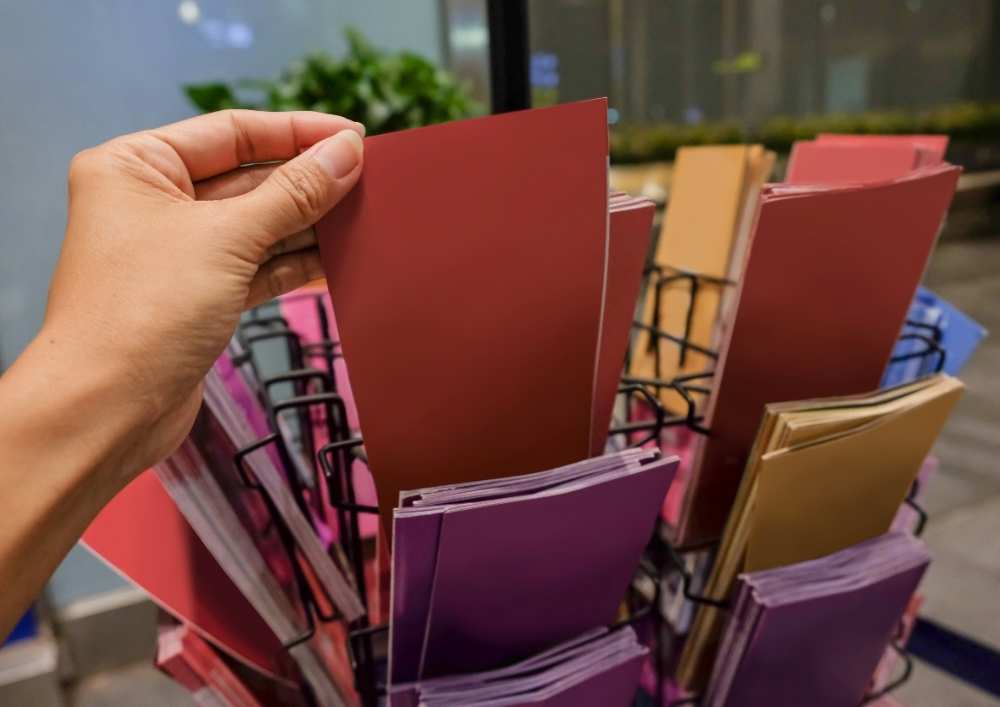
Brochures are versatile marketing and informational assets that come in a variety of formats and serve diverse purposes. These compact, yet powerful, printed materials continue to captivate audiences and convey crucial information in a tangible and visually appealing manner.
Whether you’re looking to showcase your products, highlight your company’s achievements, or provide detailed instructions, there’s a brochure type that can cater to your specific needs.
In this blog post, we’ll delve into the different types of brochures, exploring the distinctions based on both their physical structure and their intended use. By understanding these nuances, you’ll be better equipped to select the most suitable brochure format to amplify your message and leave a lasting impression on your target audience.
II. Brochure Types Based on Format and Layout
When it comes to the physical structure of brochures, there are several distinct formats and layouts to consider. This categorization focuses on the way the brochure is folded and the resulting panel arrangements, each offering unique advantages and applications.
One of the most popular brochure formats is the Accordion Fold, which features multiple panels folded in a zig-zag pattern. This design lends itself well to creating timelines, step-by-step guides, or showcasing the diverse services offered by a business. The accordion fold allows for a visually engaging and interactive experience, though designers must be mindful of ensuring that text and images are not cut off by the folds.
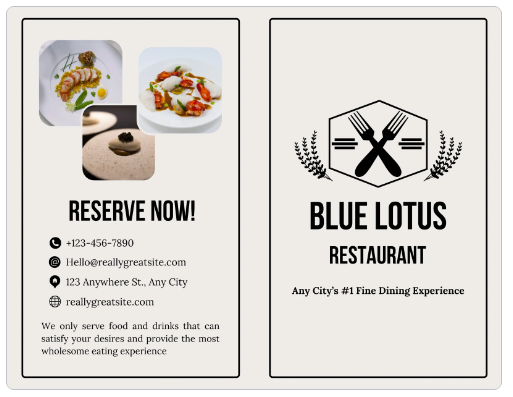
Another common brochure type is the Bi-Fold, which consists of a single fold, creating a total of four panels. This format is ideal for product or service showcases, as it provides ample space to highlight key features and benefits. However, the layout of a bi-fold brochure requires careful planning to avoid a cluttered appearance, with an emphasis on maintaining symmetry and balance in the design.
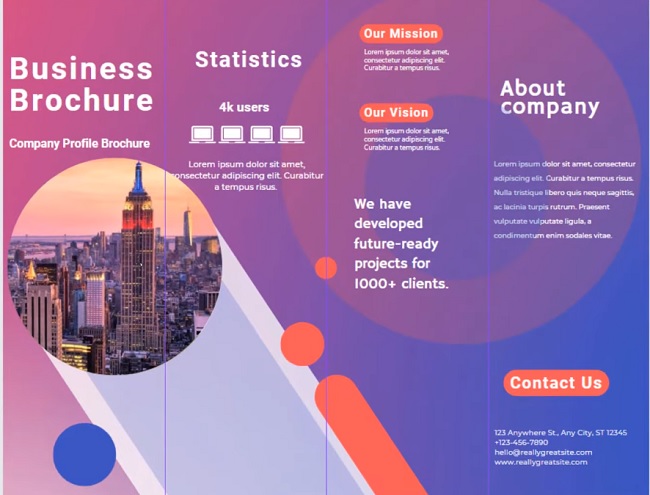
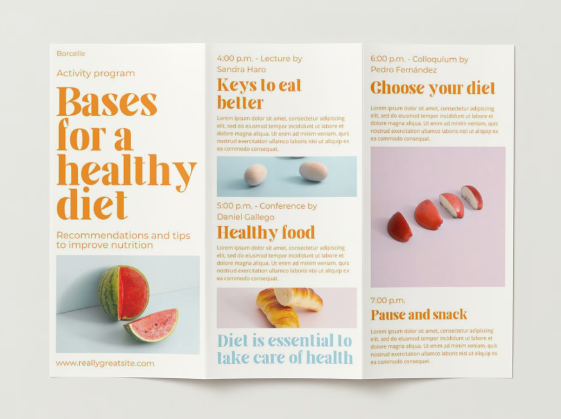
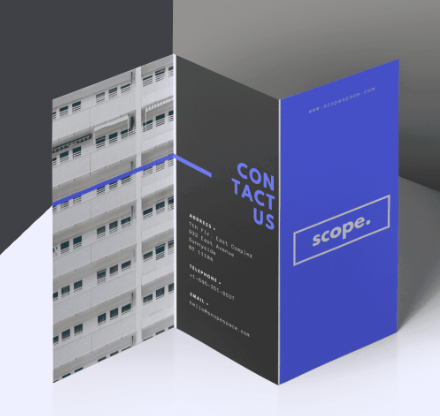
The Tri-Fold brochure, featuring two folds and six panels, is perhaps the most ubiquitous format. This versatile design is frequently used to structure content into distinct sections, such as “About Us,” “Products/Services,” and “Contact Us.” The compact nature of the tri-fold makes it a popular choice for a wide range of applications.
For a more asymmetrical approach, the Single Open Gate Fold brochure offers a clean and visually striking layout. With one panel folding inward like a gate, this format is well-suited for shorter marketing materials that require a simplified, yet impactful, presentation. The limited space, however, may not be suitable for businesses with extensive content to share.
Building upon the single gate fold concept, the Double Gate Fold brochure provides additional panels, offering more space while maintaining the clean and organized appearance of its predecessor. This format allows for a more comprehensive showcase of information or promotional materials.
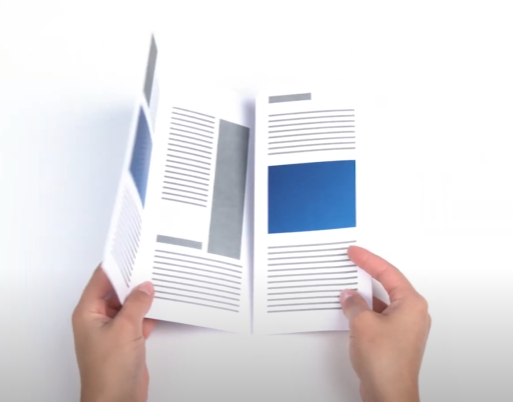
The Roll Fold brochure, with its panels rolled and folded together, provides a larger surface area compared to other formats. This can be beneficial for businesses with extensive content to convey, such as detailed product information or event schedules. However, the roll fold may be more costly to produce than other brochure types.
For a more upright and compact presentation, the Half-Fold brochure, folded horizontally, is a versatile option. This format lends itself well to product information, event promotions, or other applications where a self-standing brochure is desired.
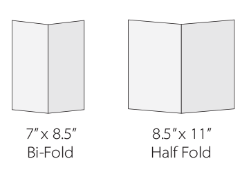
The main differences between bi-fold and half-fold brochures are their fold patterns, panel counts, and orientations. Bi-fold brochures have a single vertical fold, creating 4 panels, and are typically wider in layout. In contrast, half-fold brochures feature a single horizontal fold, resulting in 2 panels, and have a taller, more upright presentation.
Finally, the Z-Fold brochure, with its three sections folded in a zig-zag pattern, offers an interactive and memorable experience. As readers unfold the brochure, they are presented with a unique and engaging way to consume the information, making it an effective choice for special events, campaigns, or stand-out marketing materials.
Regardless of the specific format, the physical structure of a brochure can have a significant impact on its visual appeal, informational flow, and overall effectiveness as a marketing or informational tool. By understanding the unique characteristics of each brochure type, you can make an informed decision that aligns with your communication goals and the needs of your target audience.
III. Brochure Types Based on Intended Use
While the physical format and layout of a brochure are essential considerations, the intended use of the brochure is equally crucial in determining the most appropriate design and content approach. Broadly speaking, brochures can be categorized based on their primary purpose: response-driven, informational, or promotional.
Response Brochures are designed to elicit a specific action from the audience, be it a purchase, a sign-up, or a request for more information. These brochures typically feature compelling graphics, clear calls to action, and may incorporate impactful statistics or compelling stories to persuade the reader. The goal is to inspire the desired response, whether it’s making a purchase, filling out a form, or engaging with the brand in some other meaningful way.
In contrast, Informational Brochures focus on providing clear and concise information to the reader. These brochures are characterized by precise language and a practical design that prioritizes the effective communication of key points. Informational brochures are often used to educate audiences about products, services, or organizational details, serving as a reliable source of reference for the reader.
Promotional Brochures, on the other hand, are primarily aimed at advertising and marketing. These brochures incorporate persuasive language and visually striking elements to encourage specific actions, such as making a purchase, attending an event, or exploring the products and services offered by the organization. Promotional brochures are designed to capture the reader’s attention and inspire a favorable impression of the brand.
It’s important to note that the intended use of a brochure can have a significant impact on its design, content, and distribution strategy. Response-driven brochures may prioritize a clear call to action and a compelling visual identity, while informational brochures may focus on organization, clarity, and practical details. Promotional brochures, in turn, often emphasize brand messaging, product highlights, and visually engaging elements to attract and persuade the target audience.
By aligning the brochure type with the specific goals and objectives of your marketing or informational campaign, you can create a more effective and impactful communication tool that resonates with your intended audience and drives the desired outcomes.
IV. Designing and Printing Brochures
Crafting an effective brochure requires a thoughtful approach to both the design and printing processes. Regardless of the format or intended use, the overall visual appeal and clarity of the brochure’s content play a crucial role in its success.
When designing a brochure, it is essential to keep the target audience in mind. Understanding their preferences, pain points, and information needs will help shape the brochure’s layout, color scheme, typography, and image selection. A visually appealing and well-organized brochure can capture the reader’s attention and effectively convey the desired message.
In addition to aesthetic considerations, the brochure’s design should also prioritize clear and concise messaging. Avoid cluttering the layout with excessive text or images, and instead, focus on highlighting the most important information. Effective use of headings, subheadings, and strategic placement of calls to action can guide the reader through the content and encourage the desired response.
For those new to brochure design or seeking inspiration, online resources such as PrintSafari.com offer a wide range of pre-designed templates across various brochure formats. These templates can serve as a starting point, allowing you to customize the content and visuals to align with your brand and messaging.
Furthermore, specialized software like Swift Publisher can aid in the design process, offering intuitive tools and features to create professional-looking brochures. These design tools often include pre-built layouts, snap-to-grid functionalities, and seamless integration with printing services, streamlining the entire brochure creation workflow.
Once the brochure design is finalized, the next step is to consider the printing process. Many online printing services, such as those offered by PrintSafari.com, provide high-quality printing options, allowing you to order brochures in various quantities and paper stocks. These services often include guidance on file preparation, finishing options (such as folding or lamination), and shipping, ensuring a hassle-free printing experience.
By carefully designing your brochure and leveraging available resources for printing, you can create a polished and impactful marketing or informational tool that effectively communicates your message and engages your target audience.
V. Conclusion
In the ever-evolving landscape of marketing and communication, brochures remain a powerful and versatile tool. As we’ve explored in this blog post, the various types of brochures, categorized by both their physical format and intended use, offer a range of options to suit the diverse needs of businesses and organizations.
Whether you’re looking to create a visually striking accordion-fold brochure to showcase your services, a compact tri-fold to provide informative product details, or a eye-catching promotional brochure to drive customer action, understanding the unique characteristics and applications of each format is crucial.
By aligning the brochure type with your specific communication goals and the preferences of your target audience, you can craft a marketing or informational asset that effectively conveys your message, creates a lasting impression, and ultimately, achieves your desired outcomes.
As you consider your future brochure needs, we encourage you to revisit the insights shared in this post and explore the wealth of design resources and printing services available to bring your brochure ideas to life. With the right approach, your brochure can become a cornerstone of your marketing efforts, amplifying your brand, informing your audience, and driving meaningful engagement.
VI. Frequently Asked Questions
What are some creative brochure ideas to make my business stand out?
To make your brochure stand out, consider incorporating unique folds like the z-fold or roll fold, utilizing eye-catching imagery and graphics, or experimenting with unconventional paper stocks or finishes. You can also highlight your brand’s personality through the use of bold colors, playful typography, or an engaging narrative.
What are some tips for designing an effective brochure?
Key design tips include: clearly identifying your target audience and tailoring the content accordingly, maintaining a clean and organized layout to guide the reader’s eye, using high-quality visuals that complement the messaging, incorporating strategic use of white space, and ensuring a cohesive brand identity throughout the brochure.
Do you have any recommendations for 4-page brochure templates or designs?
Many online resources like PrintSafari.com offer a variety of pre-designed 4-page brochure templates that you can use as a starting point. These templates often include balanced layouts, suggested content structures, and versatile design elements that can be customized to fit your specific needs.
Where can I find reliable printing services for my brochures?
In addition to local print shops, there are numerous online printing services that specialize in brochure production. Websites like PrintSafari.com, Vistaprint, and Moo provide user-friendly interfaces, competitive pricing, and high-quality printing options. Be sure to review customer reviews, turnaround times, and finished product samples to find the best fit for your brochure project.
How can I ensure my brochure design is consistent with my overall brand identity?
To maintain brand consistency, align the brochure’s design elements (such as color palette, typography, imagery, and logo placement) with your existing brand guidelines. Consider involving your marketing team or a professional designer to ensure a cohesive look and feel across all your marketing materials, including your brochure.